Get Back on the Road With Peace of Mind - Reliable Auto Repair
Quality auto repair supports safe and strong vehicle operation. A established shop supplies complete work, from periodic inspections to necessary fixes. Determining when your vehicle needs service can be overwhelming. Many drivers struggle to locate trustworthy mechanics. Scheduled maintenance is critical for extending a vehicle's lifespan. Yet, the issues involving expenses and connecting useful resource with technicians can leave one unsure. What tactics can drivers employ to keep their vehicles road-ready?
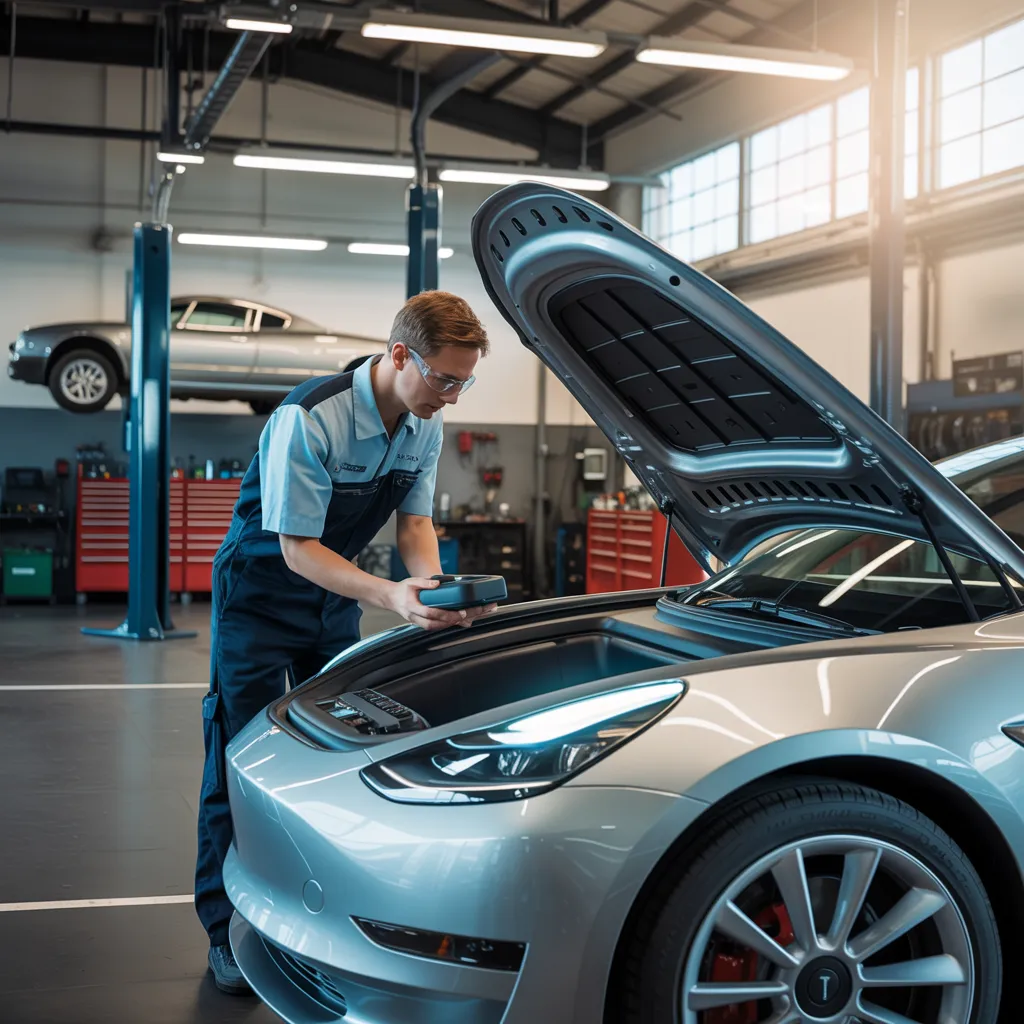
Determining When Your Car Needs Repairs
How can one discover when a vehicle needs repair? There are several key indicators that show a need for repair. Abnormal noises, such as grinding or squeaking, often point to brake or engine troubles. Warning lights on the dashboard, especially the check engine light, should not be ignored, as they signal potential problems that need immediate investigation. Moreover, a reduction in performance, such as sluggish acceleration or difficulty starting, can also point to underlying mechanical issues.
Visual signs, such as fluid leaks or irregular tire degradation, are further indications that maintenance is necessary. If the car drifts to one direction while driving, this could signal alignment problems or tire complications. Regularly monitoring these elements can help guarantee timely repairs, preventing greater deterioration and expenses in the future. Overall, being attentive and forward-thinking is crucial for maintaining vehicle health.
How to Identify a Reputable Auto Repair Shop
Locating a reliable repair facility can be a challenging job for car owners. To begin, individuals should ask for recommendations from associates, family, or coworkers. Own experiences often impart valuable insights into a shop's quality of service. Online reviews and ratings on networks like Yelp or Google can further help gauge consumer contentment.
Next, looking at certifications and affiliations with recognized industry organizations, such as the Automotive Service Excellence (ASE), can suggest a shop's commitment to professional standards. It is prudent to inspect prospective locations for an opening appointment, allowing owners to gauge sanitation, workflow, and support.
In addition, securing formal quotes before any work starts can prevent misunderstandings regarding costs. Finally, a reliable shop should be upfront about its services and willing to describe repairs. By following these steps, vehicle owners can enhance their chances of discovering a dependable auto repair shop.
The Essential Role of Routine Vehicle Maintenance
While many car owners may disregard routine upkeep, regular vehicle upkeep is essential for guaranteeing a car's longevity and peak functionality. Skipping maintenance can lead to a series of problems, from minor hassles to major breakdowns. Regular inspections, such as oil changes, tire turns, and brake checks, can prevent costly maintenance and enhance safety on the road.
In addition, consistent upkeep helps sustain a vehicle's fuel economy, lowering overall running expenses. It also safeguards the selling price; a properly maintained car is often more attractive to potential buyers.
Committing to regular upkeep creates a sense of accountability among owners, urging them to stay informed about their vehicle's requirements. By emphasizing maintenance, vehicle owners not only safeguard their investment but also add to collective safety on roads. Ultimately, regular vehicle upkeep is a preventive strategy that helps both the owner and the larger community.
Learning About Restoration Costs
Understanding maintenance costs can frequently seem difficult for vehicle proprietors. Many elements play a role in such expenses, involving labor fees, component pricing, and the degree of complexity involved in the repair work. Labor fees differ significantly based on region and shop, commonly showing the technician's background and the shop's operating costs. Besides, the range of parts selected—if OEM or third-party alternatives—can substantially shape the final amount.
Vehicle years and type also contribute; vintage or rare vehicles may require specialized parts that are more expensive and more difficult to find. Furthermore, surprise complications can emerge during maintenance work, leading to additional costs that were not originally expected. By acquiring general awareness of these factors, vehicle owners can tackle repair quotes with greater confidence and establish well-reasoned conclusions regarding their vehicle requirements.
How to Clearly Explain Car Problems to Your Technician
Relaying car problems clearly to a mechanic can greatly enhance the diagnosis and restoration process. When describing issues, car owners should be precise about indicators, such as strange sounds, shaking, or warning lights. Offering information on when the problem occurs—whether during speeding up, braking, or sitting idle—can also help the mechanic identify the issue.
It is advantageous to note any recent changes in driving behavior or maintenance history. Using clear, straightforward language avoids ambiguity, allowing the technician to understand the issue more effectively. Vehicle owners should refrain from using technical jargon unless they are confident in its definition.
In addition, presenting evidence, such as service records or previous repair invoices, can deliver context. A well-defined account not only accelerates swift diagnosis but also promotes a collaborative relationship between the car owner and the mechanic, ultimately ensuring effective repairs.
Developing a Long-Lasting Association With Your Auto Repair Shop
Forging a extended relationship with an auto repair shop is based on reliability and frankness. Dependable premium service reinforces this connection, while honest communication channels guarantee that customers believe they are valued and recognized. As a whole, these elements establish a partnership that helps both the individual and the automotive technician.
Foster Confidence With Honest Disclosure
When customers feel well-informed about the services their vehicles need, trust naturally forms between them and their auto repair shop. Transparency in communication is key; it allows clients to understand the logic behind advised repairs and maintenance. Auto repair shops that provide clear information, precise estimates, and open dialogues encourage a sense of confidence among their clientele. This openness not only clarifies the repair process but also empowers customers to make well-informed decisions. Additionally, sharing information about the shop’s qualifications, warranties, and service history raises credibility. By focusing on transparency, auto repair shops can maintain lasting relationships, encouraging customer loyalty and retention. Ultimately, trust through transparency enables a more positive and trustworthy auto repair experience.
Uniform Quality Service
Consistent quality service is the foundation of a enduring connection between customers and their auto repair shop. When customers obtain dependable and prompt repairs, they are more likely to come back for subsequent upkeep. This reliability fosters trust, allowing customers to be assured in the expertise of the technicians. Over time, as customers witness the same quality benchmarks being upheld, a sense of commitment develops. Regularly performed quality checks and compliance to industry standards guarantee that vehicles are not only repaired but also serviced to avoid upcoming problems. Such dedication to excellence creates an setting where customers feel valued, knowing their vehicles are in skilled hands. Ultimately, this dedication to consistent quality service strengthens the bond between auto repair shops and their clientele.
Develop Communication Lines
Effective exchange functions as an important link between customers and their auto repair shops, enhancing confidence and awareness. Open pathways for communication generate a team-oriented context where customers feel honored and informed. When repair shops present transparent explanations regarding services, costs, and timelines, customers can make better decisions about their vehicles. Regular updates during repairs can alleviate concern and develop assurance in the shop's expertise. Conversely, clientele who articulate their concerns and wants participate to a more bespoke encounter. This two-way dialogue not only solidifies relationships but also encourages commitment. By focusing on open communication, auto repair shops can establish a image for dependability, ensuring that clientele come back for upcoming requirements, confident in the work they will receive.
Frequently Addressed Questions
What Can I Do if My Car Fails Unexpectedly?
When a car malfunctions abruptly, the driver should safely pull over, activate hazard lights, assess the situation, and contact roadside assistance or a tow service if needed. Staying calm is essential.
How Can I Determine if a Mechanic Is Reliable?
To assess a mechanic's reliability, one should examine reviews, obtain recommendations, verify qualifications, and notice openness in costs. A reliable technician will speak plainly and supply detailed explanations of necessary repairs and work.
Do auto repair warranties exist?
Many auto repair shops offer warranties on their services and parts, typically spanning 90 days to several years. Customers should inquire about specific terms and conditions to ensure adequate protection for their repairs.
What Must-Haves Should I Keep in My Car for Urgent Situations?
A well-maintained vehicle should include a spare tire, jack, jumper cables, flashlight, first aid kit, standard tools, and tire pressure gauge. These essential items help ensure safety and handle minor issues during unexpected emergencies on the road.
What Can I Do to Prepare My Car for Changing Seasons?
To get ready a car for seasonal changes, one should examine fluid levels, inspect tires for tread and pressure, check the power source, change wipers, and make certain lights work correctly for best safety and operation.